Home workouts have moved well beyond being a temporary substitute for the gym. For many households, exercising at home has become a practical part of everyday life. Busy schedules, changing fitness habits, and the desire for greater flexibility have encouraged more people to create workout spaces that fit their routines rather than arranging their routines around a trip to the gym.
That shift is also changing how consumers think about fitness equipment. A treadmill, exercise bike, strength machine, or set of weights is no longer necessarily viewed as something reserved for a dedicated home gym. Equipment can serve as the foundation of a convenient workout routine in a spare bedroom, garage, basement, or even a small corner of a living space.
Interest in buying equipment suggests that home fitness will continue to play a meaningful role in how Americans exercise. According to CivicScience, about one-third of U.S. adults plan to buy fitness equipment in the near future. This level of purchasing interest reflects a broader preference for having more control over when, where, and how exercise fits into the day.
Convenience Is Reshaping Exercise Habits
Convenience has always influenced whether an exercise routine lasts. A gym membership may provide access to a large selection of machines and classes, but it also requires travel, preparation, and working around facility hours. Even a short commute can become an obstacle when work, family responsibilities, and other commitments compete for time.
A home workout removes much of that friction. Someone with 30 minutes available can spend those 30 minutes exercising rather than using part of the window traveling to and from a gym. Early mornings, lunch breaks, evenings, and weekends all become potential workout times.
Having fitness equipment readily available also makes shorter sessions more realistic. Not every workout has to last an hour. A quick cycling session, strength workout, or walk on a treadmill can still contribute to a consistent routine. That accessibility can make exercise easier to maintain over the long term, particularly for people whose schedules change from one day to the next.
Home Gyms Can Be Built Around Individual Goals
There is no single definition of a home gym. One household may have an entire room filled with cardio and strength machines, while another may have only enough space for an adjustable bench and a few weights. Both setups can be useful when the equipment matches the person using it.
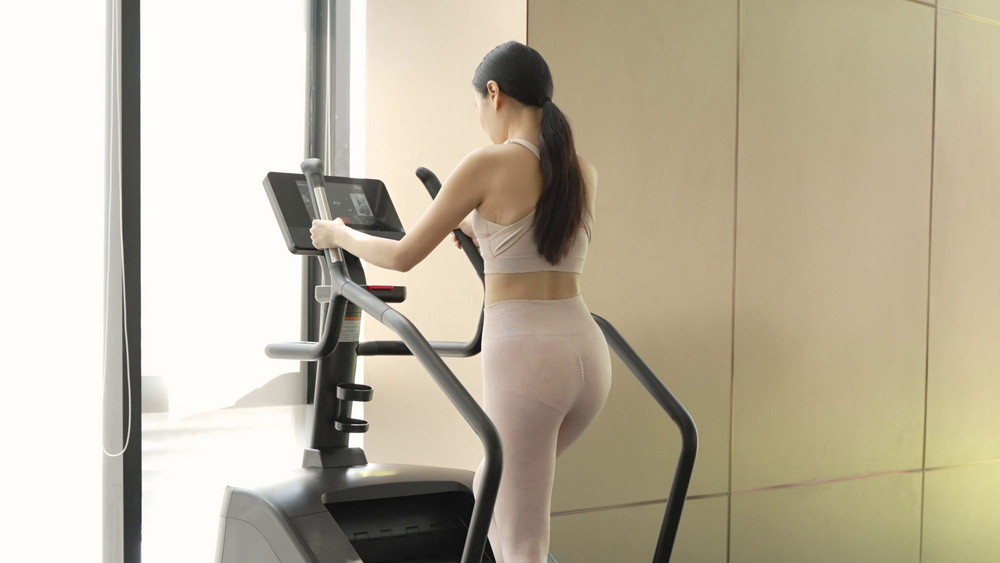
That ability to personalize a workout area is one reason home exercise has become more appealing. A runner may prioritize a treadmill. Someone interested in low-impact cardiovascular exercise may prefer an elliptical or stationary bike. Strength-focused users may devote more space to benches, racks, dumbbells, or resistance machines.
Choosing fitness equipment around specific goals also helps prevent a home gym from becoming cluttered with machines that rarely get used. Available space, preferred exercises, expected workout frequency, and budget all matter more than simply owning as much equipment as possible.
For households with several people, versatility becomes especially important. Adjustable equipment and machines with multiple resistance levels can accommodate different abilities without requiring a separate setup for every person.
Better Equipment Makes Home Training More Practical
The quality of the workout experience matters just as much at home as it does in a commercial gym. Uncomfortable, poorly sized, or unreliable equipment can quickly discourage regular use. Equipment that feels stable and suits the intended exercise can make a home routine far easier to sustain.
Cardio machines, for example, differ considerably in footprint, stride or belt dimensions, resistance options, and user capacity. Strength equipment varies in adjustability, weight range, construction, and the exercises it supports. These differences become important when a machine is expected to receive regular use for years rather than occasional use for a few weeks.
As interest in home exercise grows, buyers are also paying closer attention to the fitness equipment that fits their available space. Folding treadmills, adjustable benches, compact strength systems, and other space-conscious designs can make home workouts possible without requiring a large dedicated room.
Careful equipment selection can therefore have a direct impact on whether a home workout space becomes part of a regular routine or sits unused.
Privacy and Flexibility Add to the Appeal
Home exercise offers another advantage that has little to do with commute times: privacy. Commercial gyms work well for many people, but others prefer exercising without waiting for machines, navigating crowded spaces, or feeling watched while learning a new movement.
At home, the pace of a workout can be entirely personal. Exercises can be practiced without pressure, rest periods can be adjusted as needed, and routines can change without concern about whether another person is waiting for the equipment.
That flexibility can also make fitness equipment useful for households with different schedules. One person might exercise before sunrise, while another prefers an evening session. There is no need to coordinate transportation or make sure everyone can visit a gym at the same time.
Home workouts also make it easier to combine exercise with daily responsibilities. Parents, remote workers, and people with unpredictable schedules may find it more realistic to fit exercise into small openings throughout the day.
A Home Gym Is Often a Long-Term Purchase
Building a home workout space usually makes the most sense when it is approached as a long-term project rather than an impulse purchase. The goal is not necessarily to recreate every feature of a commercial fitness center, it’s to select equipment that will be used consistently. This type of planning makes it important to research what type of equipment you would be buying. Buyers may need to compare dimensions, warranties, weight capacities, resistance systems, maintenance needs, and other practical details before deciding what belongs in the home. Testing equipment in person can also reveal differences in comfort and movement that are difficult to judge from product photos alone.
For shoppers evaluating fitness equipment, local retailers can provide an opportunity to compare different types of machines and determine what works for the available space and intended routine. Businesses such as Portland Fitness Equipment can be part of that research process for consumers looking to understand their options before committing to a home setup.
Home Fitness Is Becoming Part of Everyday Life
The continued interest in home workouts reflects a larger change in how exercise fits into daily life. A gym is no longer the only place where structured training happens. Homes have become practical workout environments for walking, cycling, strength training, and other forms of exercise. The right fitness equipment can make those routines easier to maintain by removing common barriers such as travel time, crowded facilities, and limited hours. For those ready to build a home gym or upgrade an existing workout space, Portland Fitness Equipment offers options for creating a setup that fits individual goals, available space, and everyday training needs. Visit Portland Fitness Equipment to explore equipment options and find the right fit for a home workout routine.